
Types of CCTV Cameras & Systems Explained
CCTV camera systems come in many different forms, each designed for specific security needs, environments, and budgets. For anyone planning a CCTV installation in Kenya, understanding how camera types and system components differ is essential before choosing the right solution.
This hub explains CCTV camera systems as a central security entity, breaking down the major camera types, recording technologies, and system configurations used in residential, commercial, and institutional environments. The goal of this guide is to reduce confusion, improve decision-making, and provide a clear technical foundation before working with professional CCTV installation services in Kenya.
Understanding CCTV Camera Systems
What Is a CCTV Camera System?
A CCTV camera system is a closed surveillance setup used to monitor, record, and review activities within a defined area. Unlike open broadcast systems, CCTV footage is restricted to authorized users for security and privacy purposes.
A complete CCTV camera system consists of:
CCTV cameras (video capture units)
Recording devices (DVR or NVR)
Storage media (hard drives or cloud storage)
Connectivity infrastructure (cables or wireless networks)
Power supply and backup solutions
Viewing platforms (monitors, mobile apps, or computers)
Correct installation and synchronization of these components is handled during CCTV system setup and configuration, ensuring reliable performance and long-term stability.
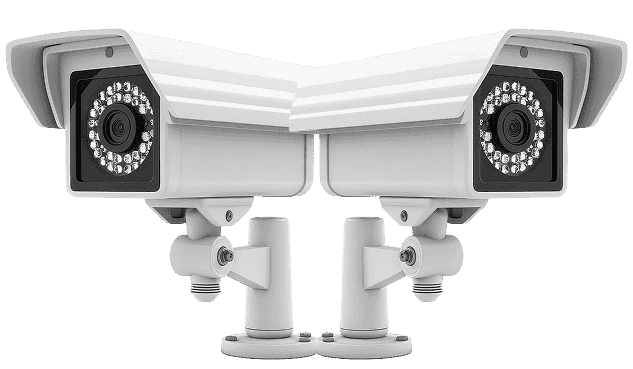
How CCTV Camera Systems Are Used in Kenya
CCTV systems are widely adopted across Kenya for both private and public security needs. Common use cases include:
Home and residential property monitoring
Retail shops, offices, and commercial premises
Schools, hospitals, and government institutions
Warehouses, factories, and logistics facilities
Parking areas, gates, and perimeter security
Larger and more complex environments typically require institutional and large-scale CCTV installation services, where system design, scalability, and compliance are critical.
IP vs Analog CCTV Cameras
One of the most important distinctions in CCTV technology is between IP cameras and analog cameras.
IP (Internet Protocol) CCTV Cameras
IP CCTV cameras transmit video digitally over a network. They are the most commonly used cameras in modern CCTV installations.
Core attributes of IP CCTV cameras include:
High-definition and ultra-high-definition video quality
Network-based transmission
Remote viewing via mobile devices and computers
Power over Ethernet (PoE) support
Easy system expansion and integration
IP cameras are widely used in homes, offices, and businesses that require clear footage and remote access. They are commonly deployed through IP CCTV installation and system setup services and paired with NVR-based recording systems. Cost-related considerations are usually explored through the CCTV installation cost in Kenya resource hub.
Analog CCTV Cameras
Analog CCTV cameras use traditional coaxial cabling and transmit video signals to a DVR.
Key attributes of analog CCTV cameras include:
Lower initial system cost
Simpler installation requirements
Reliable performance for small setups
Limited resolution compared to IP systems
Analog systems are still suitable for small homes and basic security needs and are often installed through residential CCTV installation services where budget efficiency is a priority. Ongoing support and troubleshooting are handled through CCTV maintenance and repair services.
Wired vs Wireless CCTV Systems
Wired CCTV Camera Systems
Wired CCTV systems rely on physical cabling to connect cameras to recording devices.
Key attributes include:
Stable and interference-free video transmission
Long-term reliability
Ideal for permanent installations
Professional cabling requirements
Wired systems are commonly used in commercial and institutional environments and are installed during professional CCTV wiring and system configuration projects.
Wireless CCTV Camera Systems
Wireless CCTV systems transmit video over Wi-Fi networks rather than physical cables.
Key attributes include:
Faster installation timelines
Flexible camera placement
Reduced cabling
Dependence on network stability
Wireless systems are popular for homes and small offices and are typically installed through wireless CCTV installation services in Kenya, especially where minimal structural modification is preferred.
DVR vs NVR Recording Systems
DVR (Digital Video Recorder) Systems
DVR systems are designed for analog CCTV cameras.
Key attributes include:
Centralized video recording
Coaxial cable compatibility
Cost-effective storage
Suitable for smaller installations
DVR-based systems are commonly used in basic CCTV setups where scalability is not a major concern.
NVR (Network Video Recorder) Systems
NVR systems are designed to work with IP CCTV cameras.
Key attributes include:
Network-based recording
High-resolution video support
Scalable system architecture
Remote monitoring capabilities
NVR systems are installed during CCTV system setup and configuration services and can be expanded through CCTV storage upgrades and system enhancements as security needs evolve.

Indoor vs Outdoor CCTV Cameras
Indoor CCTV Cameras
Indoor cameras are designed to monitor interior spaces such as living rooms, offices, hallways, and reception areas.
Attributes include:
Compact and discreet designs
Motion detection features
Optional audio recording
Wide-angle viewing
Outdoor CCTV Cameras
Outdoor CCTV cameras are built for external security monitoring.
Attributes include:
Weatherproof and dust-resistant housing
Infrared or low-light night vision
Vandal-resistant casings
Long-range viewing capabilities
Outdoor cameras are commonly deployed through outdoor CCTV installation services for homes and businesses, with placement guided by CCTV camera placement best practices.
Night Vision & Smart CCTV Cameras
Night Vision CCTV Cameras
Night vision cameras enable clear monitoring in low-light or no-light conditions.
Key attributes include:
Infrared illumination
Black-and-white or full-color night footage
Enhanced visibility for perimeter security
Smart CCTV Cameras
Smart CCTV cameras integrate advanced software and AI-driven features.
Key attributes include:
Motion and intrusion alerts
AI-based detection of people and vehicles
Mobile app access
Cloud and hybrid storage options
Smart systems are commonly installed through smart CCTV system installation services and connected to remote CCTV monitoring and security integration solutions.
Choosing the Right CCTV Camera System
Selecting the right CCTV system depends on multiple factors:
Type of property (home, business, or institution)
Coverage requirements and camera quantity
Budget and long-term operating costs
Internet and network availability
Storage duration and backup needs
Future system expansion
Most property owners review CCTV installation cost in Kenya and seek guidance from professional CCTV installers before making final decisions.
Related CCTV Camera Guides & Resources
For deeper technical insights, explore the following resources:
Best CCTV cameras for homes in Kenya
IP vs analog CCTV cameras explained in detail
Wireless CCTV camera advantages and limitations
Night vision CCTV cameras for enhanced security
These guides support informed planning before proceeding with residential, commercial, or institutional CCTV installation services.

We are Founded
Clients Trust Us
We Have Completed
Industry Leader
FAQs About About Types of CCTV Cameras & Systems
1.What are the main types of CCTV camera systems used in Kenya?
The most common CCTV camera systems used in Kenya include IP CCTV systems, analog CCTV systems, wired CCTV systems, and wireless CCTV systems. The choice depends on factors such as property size, budget, internet availability, and desired video quality.
2.What is the difference between IP CCTV cameras and analog CCTV cameras?
IP CCTV cameras transmit digital video over a network and offer higher resolution, remote access, and scalability. Analog CCTV cameras use coaxial cables and DVRs, are more affordable, and are suitable for smaller or budget-focused installations.
3.Are wireless CCTV cameras reliable in Kenya?
Wireless CCTV cameras can be reliable when installed in areas with stable internet connectivity. However, performance may be affected by network congestion or signal interference, which is why professional setup and configuration are recommended.
4. What is the difference between a DVR and an NVR system?
A DVR (Digital Video Recorder) is used with analog CCTV cameras and records video via coaxial cables. An NVR (Network Video Recorder) is used with IP cameras and records video over a network, allowing for higher resolution and remote access.
5. Can CCTV cameras work without internet access?
Yes, CCTV cameras can work without internet access for local recording and viewing. However, internet connectivity is required for remote monitoring, mobile viewing, and cloud-based features.
6.What type of CCTV cameras are best for outdoor use?
Outdoor CCTV cameras are designed with weatherproof and dust-resistant housings, night vision capabilities, and vandal-resistant features. These cameras are ideal for gates, parking areas, and perimeter security.
7. What are smart CCTV cameras and how do they work?
Smart CCTV cameras use AI-powered features such as motion detection, human and vehicle recognition, mobile alerts, and cloud integration. They enhance security by providing real-time notifications and intelligent monitoring.
8. How do I choose the right CCTV camera system for my property?
Choosing the right CCTV system depends on the type of property, number of areas to monitor, lighting conditions, budget, storage needs, and future expansion plans. Understanding camera types and system components helps ensure the right choice before installation.