
CCTV Setup, Wiring & Configuration Guide
Proper CCTV setup, wiring, and configuration are critical to the performance, reliability, and security of any surveillance system. In Kenya, CCTV systems are installed in homes, businesses, and institutions to provide continuous monitoring, crime deterrence, and remote access to live and recorded footage. However, even high-quality CCTV cameras can fail to deliver results if the setup and configuration are done incorrectly.
This guide explains how CCTV systems are set up, how wiring and cabling work, how DVR and NVR recording systems are configured, and how mobile and remote viewing is enabled. It is designed to help property owners understand the technical side of CCTV systems while highlighting when professional support is necessary.
For expert assistance, we provide professional CCTV system setup and configuration services tailored to Kenyan homes, businesses, and large-scale installations.
How CCTV Systems Are Set Up
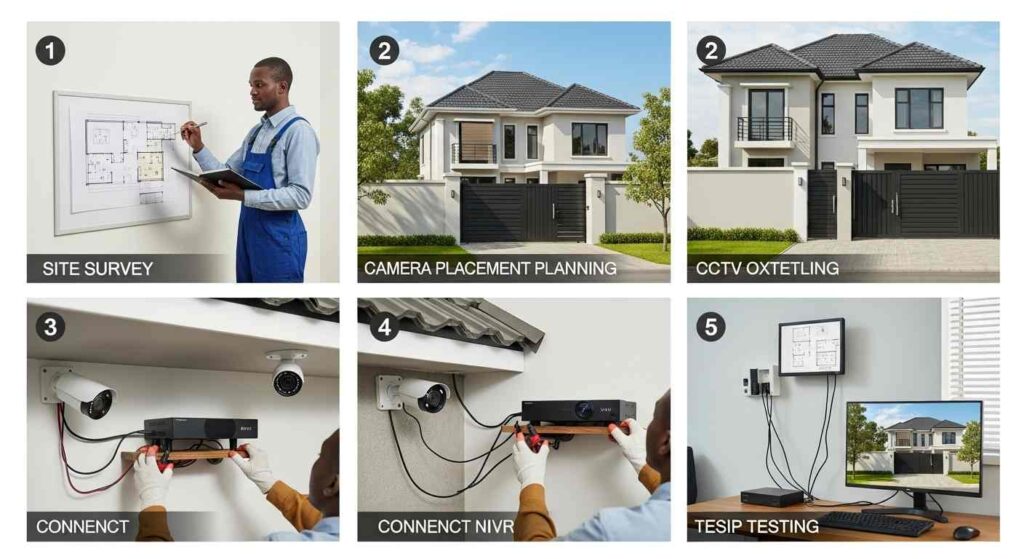
CCTV system setup is a structured process that begins with planning and ends with system testing and optimization. A properly set-up system ensures clear video footage, stable recording, and reliable remote access.
The setup process typically includes a site assessment to determine camera placement based on entrances, exits, blind spots, lighting conditions, and coverage requirements. Cameras are then mounted securely, ensuring correct angles and fields of view for both indoor and outdoor environments.
Once cameras are installed, they are connected to a recording system such as a DVR or NVR. Power supply planning is also an important part of the setup, especially in Kenya where power outages can occur. Backup solutions such as UPS systems or solar power options are often recommended.
Finally, the system is tested and calibrated to confirm that cameras are recording correctly, storage settings are optimized, and remote access functions properly.
To understand the full process in more detail, you can explore our guides on how CCTV systems are installed step by step and CCTV setup for homes in Kenya, which cover common residential and small business scenarios.
CCTV Wiring & Cabling Explained
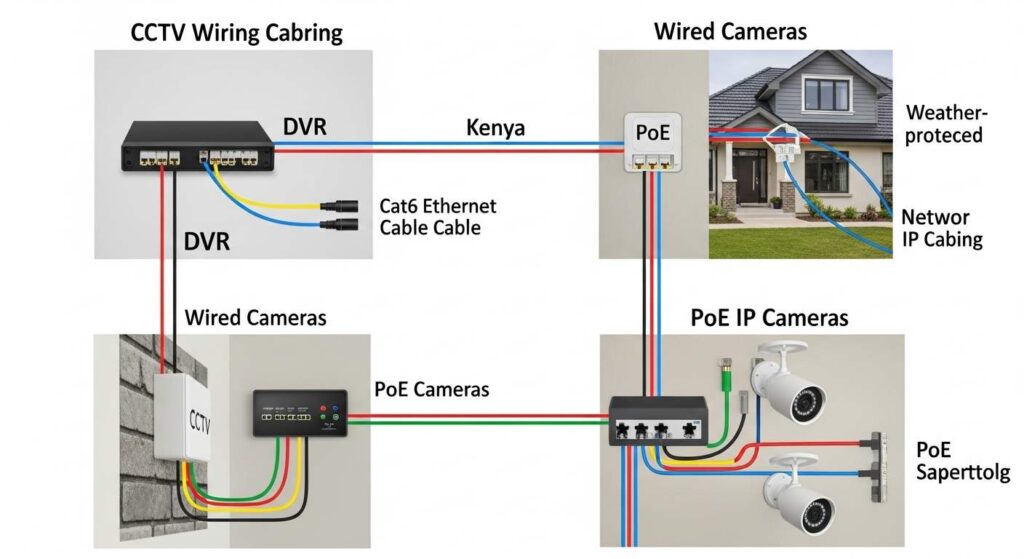
CCTV wiring and cabling form the backbone of any surveillance system. The type of cabling used affects video quality, system stability, and long-term reliability.
In Kenya, CCTV systems commonly use either wired or wireless connections. Wired systems rely on cables to transmit video and power, while wireless systems use network connections but still require power sources. Many modern installations use PoE (Power over Ethernet) technology, which allows cameras to receive power and data through a single cable.
Proper cable routing is essential to protect cables from physical damage, weather exposure, and signal interference. Outdoor cabling must be weather-resistant, while indoor cabling should be neatly concealed to prevent tampering and wear.
Incorrect wiring can lead to signal loss, poor video quality, or complete system failure. Understanding cabling basics helps property owners appreciate the importance of professional installation.
You can learn more about the best cable for CCTV installation and common CCTV wiring mistakes to avoid through our detailed wiring guides.
DVR & NVR Setup Explained
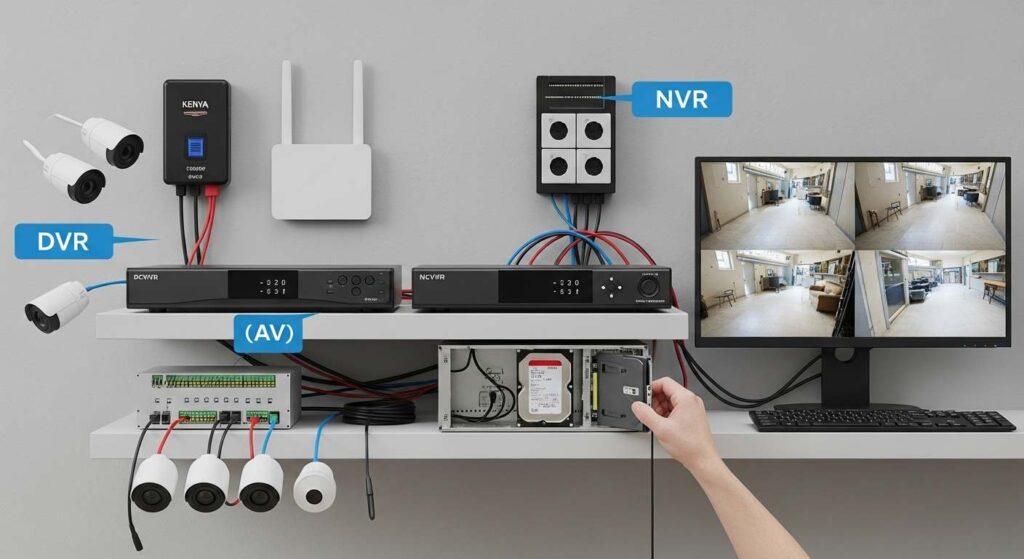
DVR (Digital Video Recorder) and NVR (Network Video Recorder) systems are responsible for recording, storing, and managing CCTV footage. Choosing the right recording system and configuring it correctly is essential for effective surveillance.
DVR systems are typically used with analog CCTV cameras, while NVR systems are designed for IP cameras. The setup process includes connecting cameras to the recorder, installing and configuring hard drives, and setting recording schedules.
Recording settings such as continuous recording, motion-based recording, and storage retention periods must be configured based on the user’s needs. Poor configuration can result in lost footage or insufficient storage capacity.
Understanding the differences between these systems helps users make informed decisions. Our guides on DVR vs NVR setup differences explained and how CCTV recording systems work provide deeper insights into recording technology and storage management.
Network & Mobile Viewing Setup
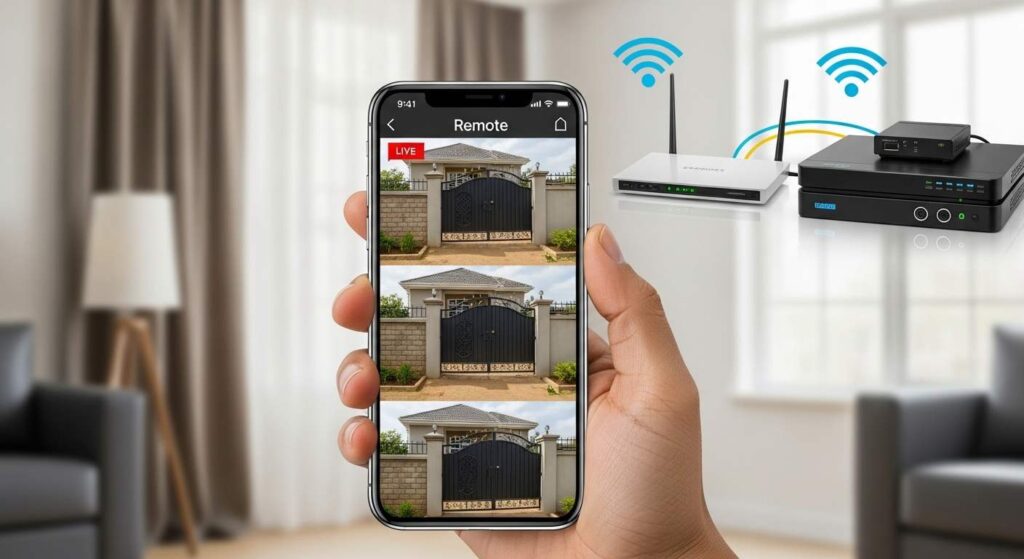
Modern CCTV systems in Kenya often include remote viewing capabilities that allow users to monitor their property from a mobile phone, tablet, or computer. Network and mobile viewing setup enables real-time access to CCTV footage from anywhere with an internet connection.
This process involves connecting the CCTV system to a local network, configuring IP settings, and linking the system to secure mobile or desktop applications. Network security is a critical consideration to prevent unauthorized access and protect recorded data.
Remote monitoring is particularly useful for business owners, property managers, and homeowners who travel frequently. Even without internet access, CCTV systems can continue recording locally, with remote viewing becoming available once connectivity is restored.
To learn more, explore our resources on how to view CCTV cameras on your phone and CCTV remote monitoring setup in Kenya.
CCTV Setup Cost Overview in Kenya
The cost of CCTV setup in Kenya varies depending on several technical and environmental factors. Setup costs are influenced by the number of cameras, system type, wiring complexity, network configuration, and property size.
Wired systems may require more cabling work, while wireless systems may involve additional network configuration. Home CCTV setup is generally simpler and less costly than commercial or institutional setups, which often involve multiple cameras and advanced configurations.
It is important to distinguish between setup costs and full installation costs. Setup refers to configuring and connecting existing equipment, while installation may include supplying hardware and mounting cameras.
For a complete understanding of pricing factors, visit our guide on CCTV installation and setup cost in Kenya explained.

Common CCTV Setup Mistakes
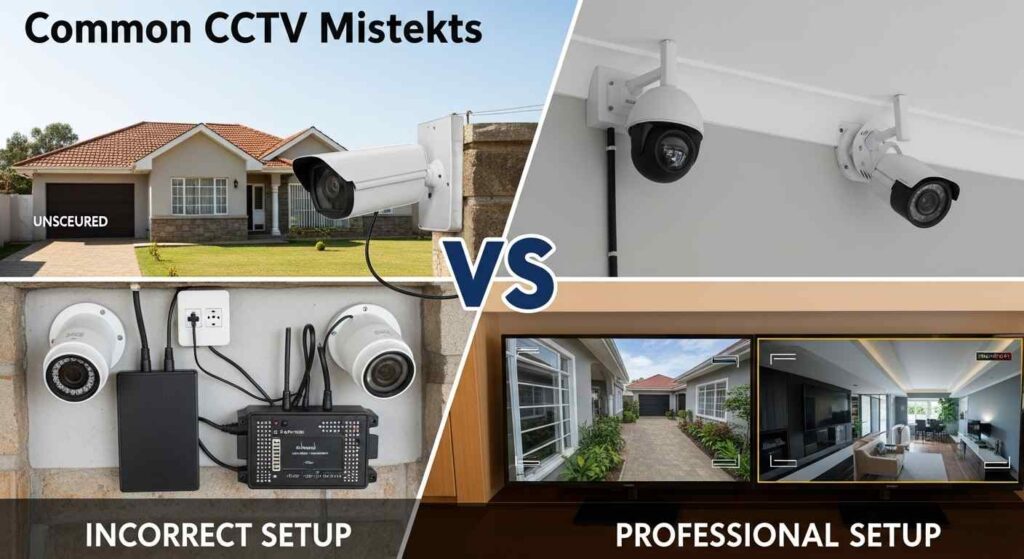
Improper CCTV setup can significantly reduce system effectiveness. Some of the most common mistakes include poor camera placement, incorrect wiring, unsecured network configurations, and insufficient storage allocation.
DIY setups often fail to account for lighting conditions, camera angles, and long-term maintenance needs. Weak network security can expose systems to unauthorized access, while inadequate storage settings can result in overwritten footage.
Avoiding these mistakes requires proper planning, technical knowledge, and experience. Our articles on common CCTV setup problems in Kenya and why professional CCTV configuration matters explain how to prevent system failures and performance issues.
When to Use Professional CCTV Setup Services
While basic CCTV systems can sometimes be set up independently, professional setup services are recommended for complex installations. Large properties, businesses, and institutions benefit from expert planning, secure wiring, and advanced configuration.
Professional setup ensures that CCTV systems are optimized for reliability, scalability, and long-term use. It also provides access to technical support and system maintenance.
If you need expert assistance, our CCTV system setup and configuration services in Kenya provide reliable solutions for homes, businesses, and large-scale projects.
This guide provides a comprehensive overview of CCTV setup, wiring, and configuration in Kenya. Understanding these technical elements helps property owners make informed decisions and maintain effective surveillance systems. For hands-on support and professional system optimization, explore our service pages or contact our team for expert guidance.
Areas We Serve Across Kenya
We provide professional CCTV installation services across all 47 counties in Kenya. Our nationwide coverage ensures that homes, businesses, and institutions can access reliable security solutions regardless of location.We serve major urban areas such as:
- Nairobi County
- Mombasa County
- Kiambu County
- Kisumu County
- Nakuru County
- Eldoret, Kisii, Kericho, Meru
…and every other county in Kenya.
As well as peri-urban and rural areas across the country. Our team understands local security challenges and adapts CCTV solutions to suit different regions.
Explore CCTV installation services across all counties in Kenya or contact local CCTV installers near you for site assessments and consultations.

We are Founded
Clients Trust Us
We Have Completed
Industry Leader
FAQs About CCTV Setup, Wiring & Configuration in Kenya
1. What does CCTV setup and configuration include?
CCTV setup and configuration include camera mounting, wiring or network connections, DVR or NVR setup, storage configuration, mobile viewing setup, and system testing to ensure proper operation.
2.What is the difference between CCTV installation and CCTV setup?
CCTV installation involves supplying and physically mounting cameras, while CCTV setup focuses on configuring existing equipment, connecting systems, and optimizing performance after installation.
3. Can CCTV systems be set up without internet in Kenya?
Yes, CCTV systems can record footage without internet access. However, internet connectivity is required for remote viewing, mobile monitoring, and cloud-based features.
4. What type of wiring is best for CCTV setup in Kenya?
The best wiring depends on the system type. IP cameras commonly use Cat6 or PoE cables, while analog systems use coaxial cables. Outdoor installations require weather-resistant cabling.
5. What is the difference between DVR and NVR setup?
DVR systems work with analog cameras and use coaxial cables, while NVR systems are designed for IP cameras and use network cables. NVR setups generally support higher resolution and advanced features.
6.How long does CCTV setup take in Kenya?
Basic home CCTV setup can take a few hours, while business or multi-camera systems may take one to two days depending on complexity and network configuration.
7. What are common CCTV setup mistakes?
Common mistakes include poor camera placement, exposed wiring, weak network security, insufficient storage configuration, and incorrect recording settings.